
Technology That Wins for Performance-Critical AI
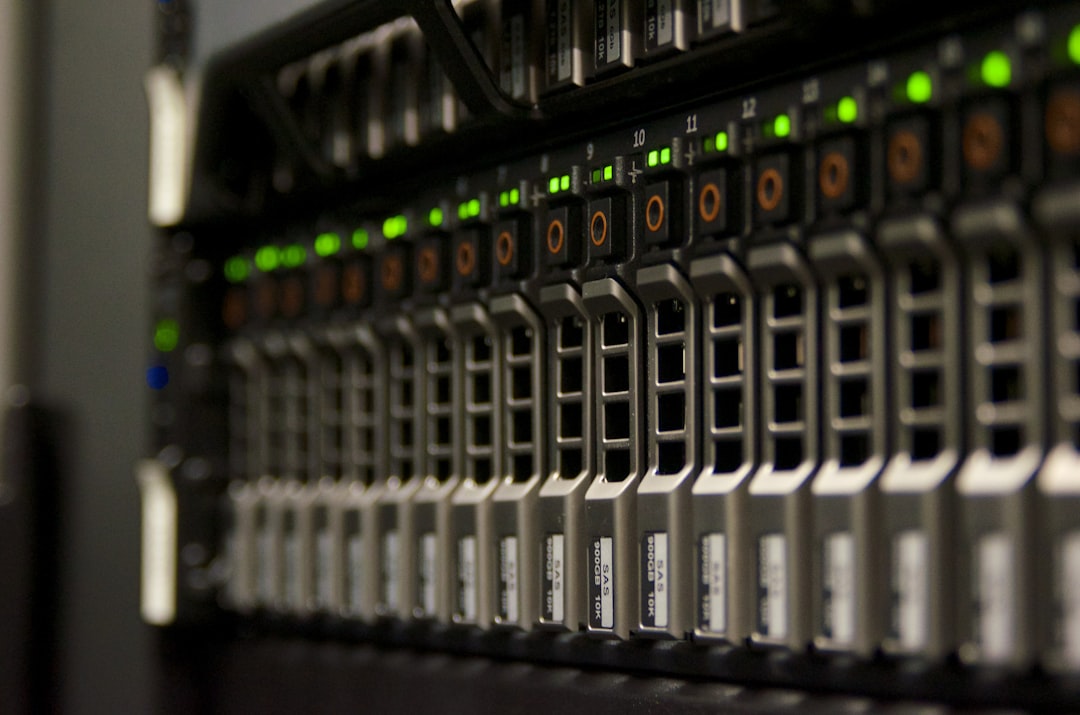
The platform's technology stack is engineered to remove the bottlenecks that hold AI and HPC workloads back—latency, bandwidth constraints, thermal limits, and operational complexity. Instead of assembling disconnected components, we integrate cooling, compute, storage, networking, and orchestration into a unified system designed for predictable performance at scale.
Four pillars that change the economics and
performance of AI infrastructure
Ultra-Low Latency at the Edge
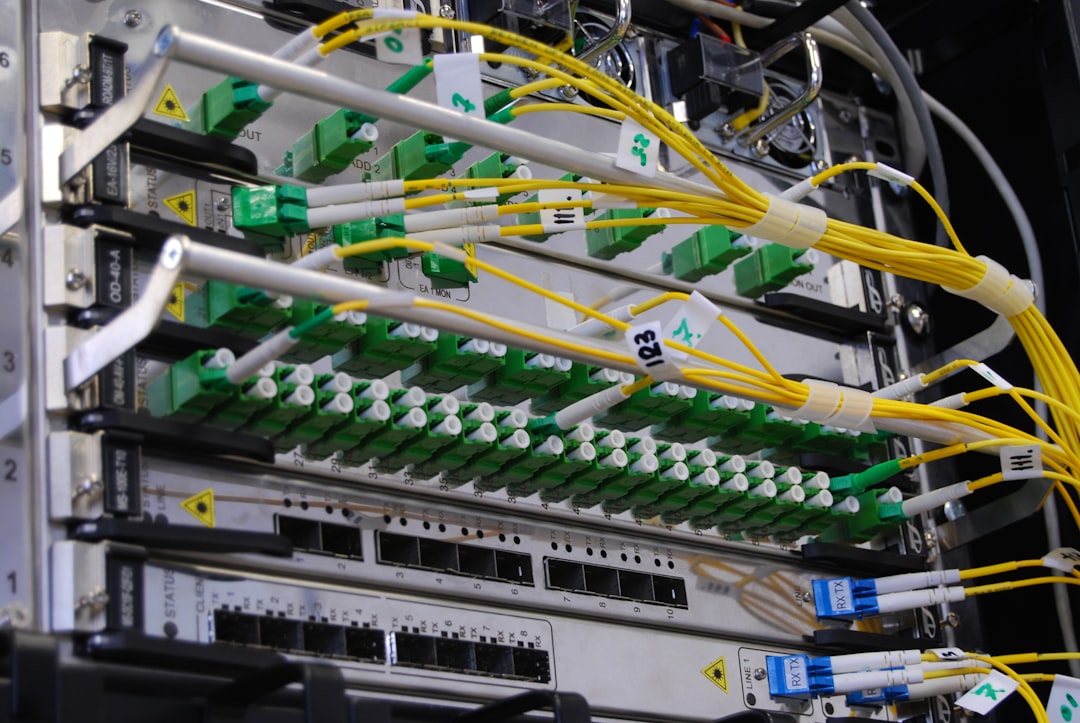
Ultra low latency is achieved by placing high-density compute closer to where data is produced and consumed, eliminating unnecessary network hops and software overhead.
Extreme Compute Density & Performance
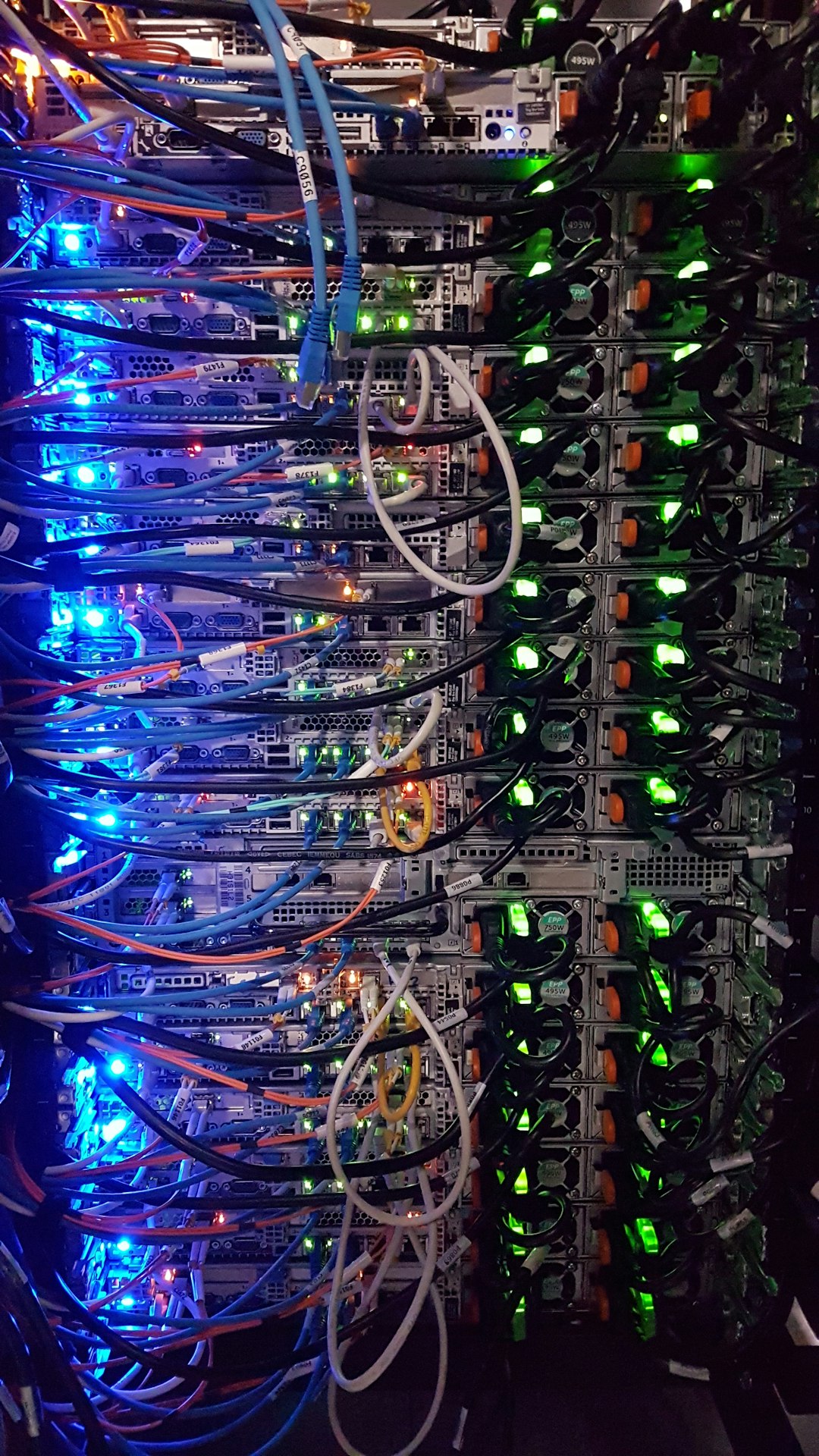
Up to 10:1 compute density is enabled through direct NVMe-to-GPU data paths and high-bandwidth fabric, accelerating AI training, inference, and simulation workloads.

Operational & Cost Efficiency
Liquid immersion cooling and modular deployment reduce power consumption, physical footprint, and ongoing operating overhead without compromising performance.

Sovereignty & Sustainability
Private fiber and ISP architecture reduce third-party dependency risk while enabling sustainable, long-term AI operations with greater control over data, performance, and compliance.
Core Technologies
These technologies are designed to solve distinct cloud challenges, from real-time latency to high-density compute and operational efficiency. Explore the components most aligned with your current requirements and how they work together within a unified platform architecture.
Low-Latency AI Cloud
Ultra low latency is achieved by placing high-density compute closer to data sources and users, eliminating unnecessary network hops and software overhead. This enables real-time inference, edge AI, and latency-sensitive training workflows.
By integrating edge-native architecture with a software-defined network fabric, the platform ensures deterministic performance even under peak load.
Learn More About Low-Latency AI CloudStack Integration
High-Density AI & HPC Compute
The platform supports extreme compute density by tightly integrating GPUs, NVMe storage, and high-bandwidth networking. Direct NVMe-to-GPU data paths reduce bottlenecks and accelerate training and simulation workloads.
This approach enables up to 10:1 density improvements while maintaining thermal stability and predictable performance.
Explore High-Density ComputeNVMe + GPU Fast Path
Direct NVMe-to-GPU data transfer eliminates storage bottlenecks that limit AI training throughput and inference speed. By creating an optimized path between storage and compute, the platform reduces latency and maximizes GPU utilization.
This architecture is purpose-built for data-intensive workloads where the traditional CPU-mediated data path becomes the performance constraint.
Explore NVMe + GPU ArchitectureTraditional vs. Direct Path
Intelligent Traffic Flow
Software-Defined Network (Cloud Fabric)
The CloudLogics cloud fabric provides a programmable networking layer that connects distributed environments as a single system. Routing, isolation, and traffic management are handled at the platform level, allowing workloads to operate consistently across locations while maintaining control and predictability.
The fabric supports deployment models ranging from shared infrastructure to fully isolated environments. Where required, it can incorporate private interconnects, including dedicated fiber links, to meet strict isolation, latency, or regulatory requirements as part of the overall network design.
Explore Network ArchitectureEfficient AI Infrastructure
Efficiency is built into the platform through liquid immersion cooling, modular deployment, and intelligent orchestration. These design choices reduce power consumption, physical footprint, and operational overhead.
The result is a platform that scales sustainably while maintaining performance consistency and lowering total cost of ownership.
See How Efficiency Is EngineeredCooling Technology Comparison
Private Network Boundary
Dedicated infrastructure reduces exposure to third-party routing
Full control over data location and movement
Built-in support for regulatory requirements
Energy-efficient design for long-term AI deployment
Sovereign Private Cloud for AI
Private fiber and ISP architecture reduce third-party dependency risk while enabling sustainable, long-term AI operations. The platform provides greater control over data routing, performance guarantees, and compliance requirements.
Combined with efficient cooling and modular infrastructure, this approach supports responsible AI deployment without compromising on sovereignty or environmental impact.
Learn About Sovereign AI InfrastructureSustainability by Design
Environmental responsibility is engineered into the platform architecture, not retrofitted. Liquid immersion cooling, modular infrastructure, and renewable energy integration reduce the carbon footprint of AI operations while improving performance consistency.
This approach enables organizations to scale AI workloads without proportionally increasing environmental impact, supporting long-term operational sustainability and regulatory compliance.
Explore Sustainability ArchitectureSustainability Impact
Move Beyond Incremental Optimization
If your workloads are constrained by latency, density, or operational overhead, the fastest path forward is infrastructure engineered as a system. Explore the technology stack in detail—or start deploying performance-critical AI workloads today.